Elena Neumann · 12 September 2026
Navigating Registrar Transitions and Their Ripple Effects on Platform Stability
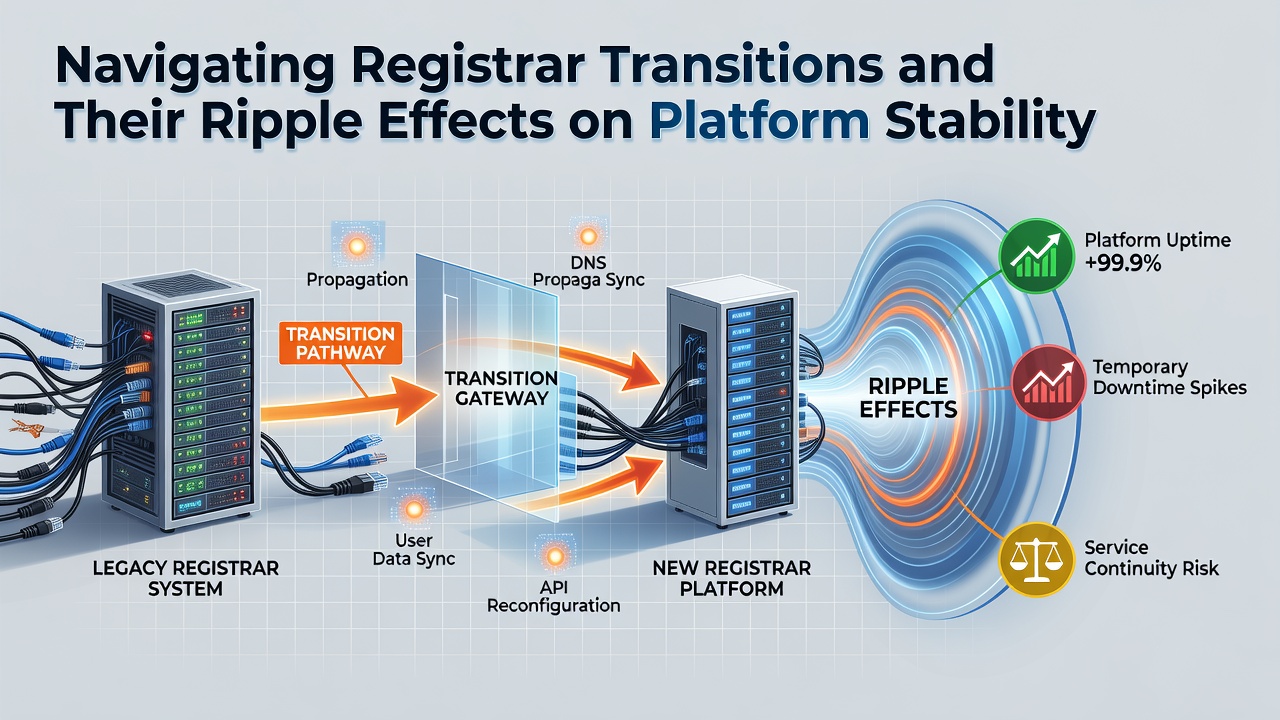
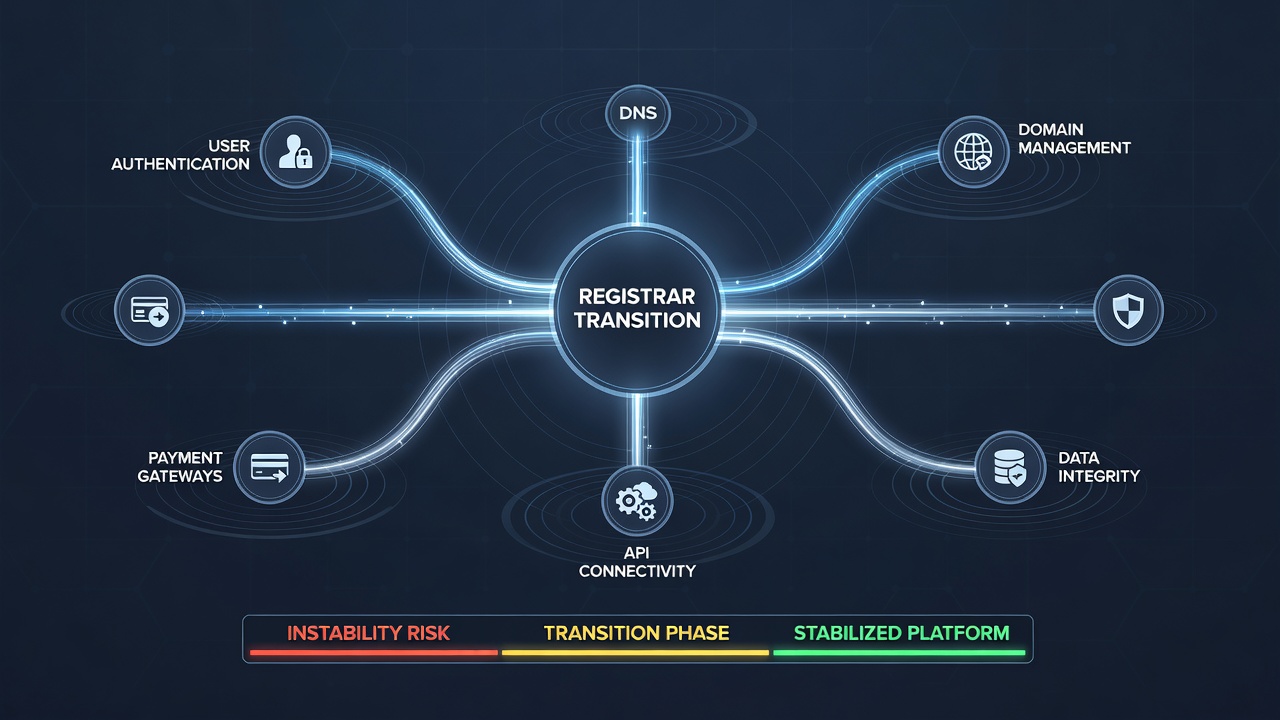
Domain registrar transitions occur when organizations move domain management from one accredited provider to another, and these shifts trigger a sequence of technical updates that influence how platforms maintain consistent access and performance. The process begins with authorization codes and transfer requests, after which DNS records require time to synchronize across global servers, creating windows where connectivity can fluctuate. Observers note that even brief mismatches in nameserver configurations often lead to temporary disruptions that affect user sessions and backend services alike.
Core Steps in a Registrar Switch
Transfer procedures follow standardized protocols set by oversight bodies, starting with verification of ownership and ending with final propagation that can span several hours or days depending on TTL settings. During this period, platforms experience varying levels of exposure because cached records at intermediate resolvers may still point to the previous registrar's infrastructure. Research indicates that incomplete handoffs frequently result in email routing failures and API endpoint inconsistencies, which compound when multiple subdomains are involved. Those managing large-scale sites often schedule transitions during low-traffic windows to limit exposure while monitoring real-time resolution logs.
Stability Impacts Across Different Platform Types
E-commerce platforms see direct effects on checkout flows when DNS changes lag, whereas content delivery networks must revalidate certificates and edge locations after the move completes. Data from industry reports shows that SaaS applications encounter authentication token issues more often because session cookies tied to domain origins require reissuance once nameservers stabilize. Researchers at various institutions have tracked how these ripples extend beyond the primary domain, influencing third-party integrations that rely on consistent resolution paths. In one documented scenario, a media streaming service observed a 14 percent drop in concurrent connections during a multi-day propagation phase following a registrar change.
Regional Regulatory Timelines and Upcoming Adjustments
Policy frameworks differ by jurisdiction, with authorities in North America and the Asia-Pacific region maintaining distinct reporting requirements for large-scale transfers. According to records maintained by the National Telecommunications and Information Administration, coordination between registrars must include escrow deposits that protect registrant data throughout the process. European regulators through ENISA have published guidelines emphasizing audit trails that document every nameserver update. With new synchronization standards slated for implementation in September 2026, administrators anticipate tighter windows for propagation verification that could reduce but not eliminate interim instability periods.
Monitoring and Recovery Practices
Teams deploy continuous resolution checks using distributed monitoring tools that alert when authoritative answers diverge from expected values during the transition window. Backup registrars and secondary DNS providers allow quick failover when primary updates stall, and logs from these systems provide the data needed to pinpoint where delays originated. Studies conducted by academic groups reveal that organizations maintaining detailed pre-transition inventories of all dependent services experience fewer prolonged outages because they can restore functionality in parallel rather than sequentially. External references such as those hosted by the Australian Communications and Media Authority outline recommended checklists that cover certificate renewals and CDN reconfiguration steps.
Long-Term Effects on Platform Architecture
Repeated registrar movements can influence how development teams design redundancy into their infrastructure, prompting adoption of anycast DNS and multi-provider setups that decouple stability from any single point of management. Figures from longitudinal analyses indicate measurable improvements in recovery times when platforms incorporate automated validation scripts that test resolution health immediately after transfer confirmation arrives. Observers tracking these patterns note that the cumulative effect often leads to more resilient configurations overall, even though each individual transition carries inherent risks of short-term variance.
Conclusion
Registrar transitions remain a necessary administrative action that carries measurable consequences for platform continuity when DNS and related services realign. Structured preparation combined with active monitoring reduces the duration and severity of any resulting instability, while evolving regulatory timelines such as those approaching in September 2026 continue to shape best practices across regions. Organizations that treat these events as routine infrastructure maintenance rather than isolated tasks position their platforms to handle the associated technical shifts with greater predictability.